
 Image 1 of 1
Blood Pressure Health comes with free tea for a limited tea!
Healing blood pressure and improving cardiovascular health with plants.
Education is everything especially when it comes to your body. If you are not educated on your health someone will profit off of it. If you don’t don’t get the supplements read the information below to learn something. You are what you consume what’s inside of what you consumed is more important.
Uncontrollable high blood pressure is a leading risk factor or cardiovascular disease. Because it damages damages the whole cardiovascular system at the same time the brain, eyes, kidneys etc. Cardiovascular disease is number one cause of death taking a life every 33 seconds and 7 seconds later causes a heart attack/stroke. This has been the number one leading cause since 1921. So even at the height of the pandemic this daily disease was taking more lives. Increasing better lifestyle choices would help regulate blood pressure, improve circulation / blood flow, strengthen the heart etc without the damaging the side effects of pharmaceuticals.
Plants have been used for thousands of years to help relieve people with blood pressure issues.
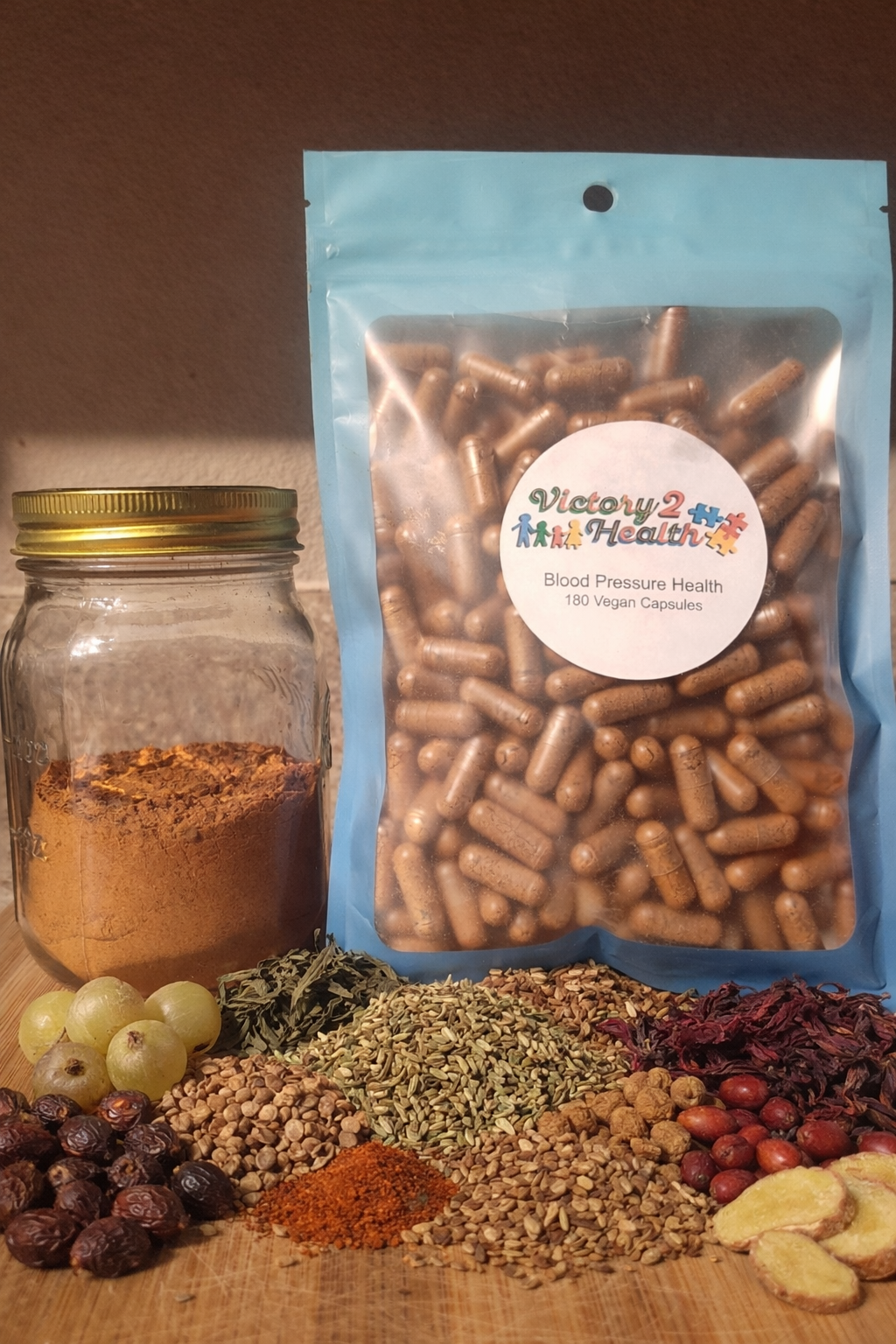
Ingredients - Amla fruit, arjuna, burdock root, kelp, fennel seeds, celery seeds, hibiscus, cayenne pepper, hawthorn berry, dulse and ginger.
Amla Fruit (Indian Gooseberry)
It's high in vitamin c, antioxidants, polyphenols etc improve endothelial functions, lowers LDL cholesterol, strengthens, strengthens artery walls etc.
Science-backed benefits:
A 2012 study in the Journal of Medicinal Food found that amla significantly reduced systolic and diastolic blood pressure in hypertensive patients.
Its antioxidant effect also supports vascular elasticity and reduces inflammation.
Arjuna (Terminalia arjuna)
Strengthens the heart, enhances cardiac output, reduces angina symptoms etc. .
Science-backed benefits:
A clinical trial published in International Journal of Ayurveda Research showed Arjuna improved left ventricular function in heart failure patients.
Contains coenzyme Q10-like compounds and flavonoids that improve circulation and blood vessel integrity.
Burdock Root
The inulin increases short chain fatty acids, improves endothelium function, increases nitric oxide production, relaxes blood vessels, reduces inflammation etc
Science-backed benefits:
It enhances circulation and purifies the blood, helping reduce vascular inflammation and improve metabolic health.
Kelp (Seaweed)
Iodine helps regulate blood pressure.
Science-backed benefits:
A 2011 study published in Marine Drugs showed kelp reduced both blood pressure and cholesterol in animal models.
Fennel Seeds
The nitrates that help relax blood pressure and reduce blood pressure.
Science-backed benefits:
Research in Phytotherapy Research found that fennel extract can help reduce hypertension and ease vascular tension.
Celery Seeds
Celery seeds contain 3-n-butylphthalide (3nB) shown to lower blood pressure by relaxing water walls and improving blood flow.
Science-backed benefits:
A 2013 study published in Natural Medicine Journal found that celery seed extract significantly reduced both systolic and diastolic blood pressure in patients with mild-to-moderate hypertension.
Hibiscus
This vibrant flower is rich in anthocyanins and polyphenols acts as a natural ACE inhibitor—blocking the enzyme that constricts blood vessels.
Science-backed benefits:
A meta-analysis of randomized controlled trials published in Journal of Hypertension confirmed hibiscus tea’s ability to lower blood pressure significantly.
Cayenne Pepper (Capsicum annuum)
The capsaicin which gives all peppers it’s hotness helps improves circulation, reduces artery plaque, regulates blood pressure by increasing nitric oxide etc.
Science-backed benefits:
Studies show capsaicin increases vasodilation and improves blood flow in both peripheral and coronary vessels.
Hawthorn Berry
Enhances cardiac muscle contraction, improves blood flow, reduces blood pressure etc.
Science-backed benefits:
A 2002 study in Phytotherapy Research demonstrated that hawthorn extract significantly reduced diastolic blood pressure and improved heart rate variability in patients with type 2 diabetes.
Dulse (Red Seaweed)
The peptides help improve blood pressure / circulation.
Science-backed benefits:
Contains natural angiotensin-converting enzyme (ACE) inhibitors that help reduce blood pressure.
Ginger (Zingiber officinale)
Helps vasodilation, and cruise high blood pressure, reduces LDL cholesterol/inflammation / oxidative stress etc
Science-backed benefits:
A 2017 cross-sectional study in Nutrition showed that regular ginger consumption is associated with a significantly reduced risk of hypertension.
This should not be taken with blood pressure/ thinner medications.
To get maximum benefits from supplements eating/ drinking better is mandatory. Example: 1.2 pound high calorie/ low nutrient meal is always heavier than grams of supplements.
“These statements have not been evaluated by the Food and Drug Administration. This product is not intended to diagnose, treat, cure or prevent any disease.”
Healing blood pressure and improving cardiovascular health with plants.
Education is everything especially when it comes to your body. If you are not educated on your health someone will profit off of it. If you don’t don’t get the supplements read the information below to learn something. You are what you consume what’s inside of what you consumed is more important.
Uncontrollable high blood pressure is a leading risk factor or cardiovascular disease. Because it damages damages the whole cardiovascular system at the same time the brain, eyes, kidneys etc. Cardiovascular disease is number one cause of death taking a life every 33 seconds and 7 seconds later causes a heart attack/stroke. This has been the number one leading cause since 1921. So even at the height of the pandemic this daily disease was taking more lives. Increasing better lifestyle choices would help regulate blood pressure, improve circulation / blood flow, strengthen the heart etc without the damaging the side effects of pharmaceuticals.
Plants have been used for thousands of years to help relieve people with blood pressure issues.
Ingredients - Amla fruit, arjuna, burdock root, kelp, fennel seeds, celery seeds, hibiscus, cayenne pepper, hawthorn berry, dulse and ginger.
Amla Fruit (Indian Gooseberry)
It's high in vitamin c, antioxidants, polyphenols etc improve endothelial functions, lowers LDL cholesterol, strengthens, strengthens artery walls etc.
Science-backed benefits:
A 2012 study in the Journal of Medicinal Food found that amla significantly reduced systolic and diastolic blood pressure in hypertensive patients.
Its antioxidant effect also supports vascular elasticity and reduces inflammation.
Arjuna (Terminalia arjuna)
Strengthens the heart, enhances cardiac output, reduces angina symptoms etc. .
Science-backed benefits:
A clinical trial published in International Journal of Ayurveda Research showed Arjuna improved left ventricular function in heart failure patients.
Contains coenzyme Q10-like compounds and flavonoids that improve circulation and blood vessel integrity.
Burdock Root
The inulin increases short chain fatty acids, improves endothelium function, increases nitric oxide production, relaxes blood vessels, reduces inflammation etc
Science-backed benefits:
It enhances circulation and purifies the blood, helping reduce vascular inflammation and improve metabolic health.
Kelp (Seaweed)
Iodine helps regulate blood pressure.
Science-backed benefits:
A 2011 study published in Marine Drugs showed kelp reduced both blood pressure and cholesterol in animal models.
Fennel Seeds
The nitrates that help relax blood pressure and reduce blood pressure.
Science-backed benefits:
Research in Phytotherapy Research found that fennel extract can help reduce hypertension and ease vascular tension.
Celery Seeds
Celery seeds contain 3-n-butylphthalide (3nB) shown to lower blood pressure by relaxing water walls and improving blood flow.
Science-backed benefits:
A 2013 study published in Natural Medicine Journal found that celery seed extract significantly reduced both systolic and diastolic blood pressure in patients with mild-to-moderate hypertension.
Hibiscus
This vibrant flower is rich in anthocyanins and polyphenols acts as a natural ACE inhibitor—blocking the enzyme that constricts blood vessels.
Science-backed benefits:
A meta-analysis of randomized controlled trials published in Journal of Hypertension confirmed hibiscus tea’s ability to lower blood pressure significantly.
Cayenne Pepper (Capsicum annuum)
The capsaicin which gives all peppers it’s hotness helps improves circulation, reduces artery plaque, regulates blood pressure by increasing nitric oxide etc.
Science-backed benefits:
Studies show capsaicin increases vasodilation and improves blood flow in both peripheral and coronary vessels.
Hawthorn Berry
Enhances cardiac muscle contraction, improves blood flow, reduces blood pressure etc.
Science-backed benefits:
A 2002 study in Phytotherapy Research demonstrated that hawthorn extract significantly reduced diastolic blood pressure and improved heart rate variability in patients with type 2 diabetes.
Dulse (Red Seaweed)
The peptides help improve blood pressure / circulation.
Science-backed benefits:
Contains natural angiotensin-converting enzyme (ACE) inhibitors that help reduce blood pressure.
Ginger (Zingiber officinale)
Helps vasodilation, and cruise high blood pressure, reduces LDL cholesterol/inflammation / oxidative stress etc
Science-backed benefits:
A 2017 cross-sectional study in Nutrition showed that regular ginger consumption is associated with a significantly reduced risk of hypertension.
This should not be taken with blood pressure/ thinner medications.
To get maximum benefits from supplements eating/ drinking better is mandatory. Example: 1.2 pound high calorie/ low nutrient meal is always heavier than grams of supplements.
“These statements have not been evaluated by the Food and Drug Administration. This product is not intended to diagnose, treat, cure or prevent any disease.”